
Milwaukee Traffic Accident Facts
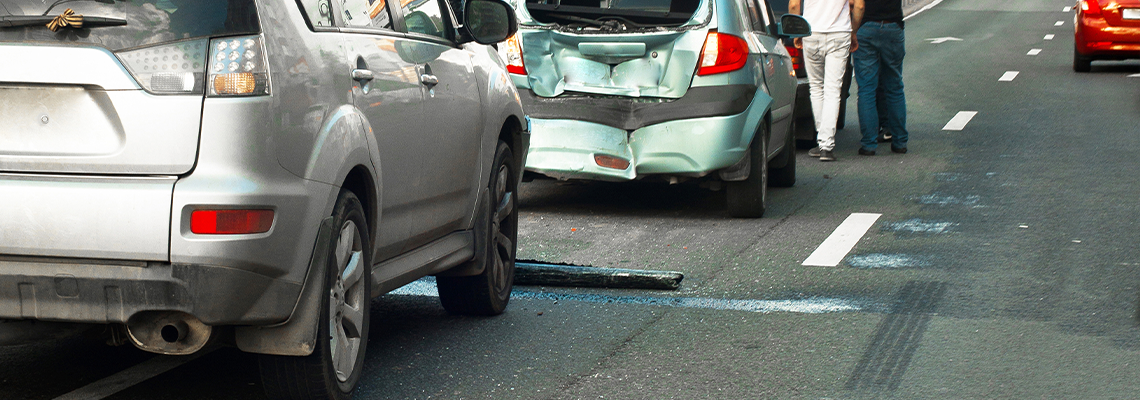
Milwaukee’s traffic landscape tells a story that goes far beyond congestion and commute times. Beneath the daily flow of cars lies a complex web of patterns, risks, and surprising facts about accidents that shape how the city moves. Whether you’re a daily commuter, occasional driver, or simply curious about urban safety, these insights into Milwaukee traffic accidents may change how you see the road.
One interesting fact is that a large portion of accidents in Milwaukee occur surprisingly close to home. Studies consistently show that many crashes happen within just a few miles of a driver’s residence. Familiarity can sometimes breed complacency—drivers may pay less attention on routine routes, increasing the likelihood of collisions.
Weather also plays a major role in Milwaukee’s accident patterns. With harsh winters and frequent snowfall, icy roads are a major hazard. However, it’s not always during the heaviest snowstorms that the most accidents occur. In fact, the first snowfall of the season often causes a spike in crashes. Drivers may not yet have adjusted their habits or prepared their vehicles, making early winter particularly dangerous.
Time of day is another revealing factor. While rush hour sees a high volume of traffic, late-night driving tends to carry more severe risks. Reduced visibility, fatigue, and impaired driving all contribute to more serious accidents during nighttime hours. Weekends, especially late Friday and Saturday nights, often show higher rates of injury-related crashes compared to weekday commutes.
Intersections are a key hotspot for accidents in Milwaukee. A significant percentage of crashes happen at or near intersections, often due to drivers running red lights, misjudging turns, or failing to yield. Even with traffic signals and signage, human error remains a leading cause of these incidents.
Speeding continues to be one of the most persistent contributors to accidents in the city. While it might save a few minutes in travel time, higher speeds drastically increase both the likelihood of a crash and the severity of injuries when one occurs. Milwaukee has seen ongoing efforts to address speeding through enforcement and road design changes, but it remains a critical issue.
Distracted driving has also become an increasingly important factor. With smartphones playing such a central role in daily life, drivers are more tempted than ever to glance away from the road. Even a few seconds of distraction can lead to serious consequences, especially in busy urban areas.
One lesser-known fact is that not all dangerous roads are highways. While freeways may seem more intimidating, many serious accidents occur on city streets with moderate speed limits. These roads often have more pedestrians, cyclists, and complex traffic patterns, increasing the chances of collisions.
Finally, there’s a positive trend worth noting: increased awareness and safety initiatives are making a difference. From public campaigns to improved infrastructure, Milwaukee continues to work toward reducing accidents and making streets safer for everyone.
Understanding these patterns isn’t just interesting—it’s empowering. By recognizing when and where accidents are most likely to occur, drivers can make smarter, safer choices. In a city like Milwaukee, where conditions can change quickly, a little awareness can go a long way in preventing the next accident.
If you, or someone you know has been wrongfully injured, contact Buss Law, LLC today for a FREE consultation!
INJURED? “DON’T FUSS, CALL BUSS!”
CALL (414) 246-1000 TODAY!