Navigating Wisconsin Winters: What Drivers Should Know About Road Conditions and Personal Injury Law

Winter in Wisconsin is more than a season — it’s a full-on experience. From frigid temperatures and icy highways to blinding snowfall and unpredictable winds, winter driving presents challenges even for the most seasoned Midwesterners. Unfortunately, these conditions also lead to a spike in traffic accidents every year, many of which result in serious injuries. Understanding how winter road hazards interact with Wisconsin’s personal injury laws is essential for staying protected — both on the road and legally.
Why Wisconsin Winter Roads Are So Dangerous
Snow and ice are obvious hazards, but Wisconsin winters create several specific dangers:
Black ice: Nearly invisible, black ice often forms overnight or during early morning commutes, catching drivers off guard.
Reduced visibility: Heavy snowfall and blowing snow can make it difficult to see vehicles, road markings, and hazards ahead.
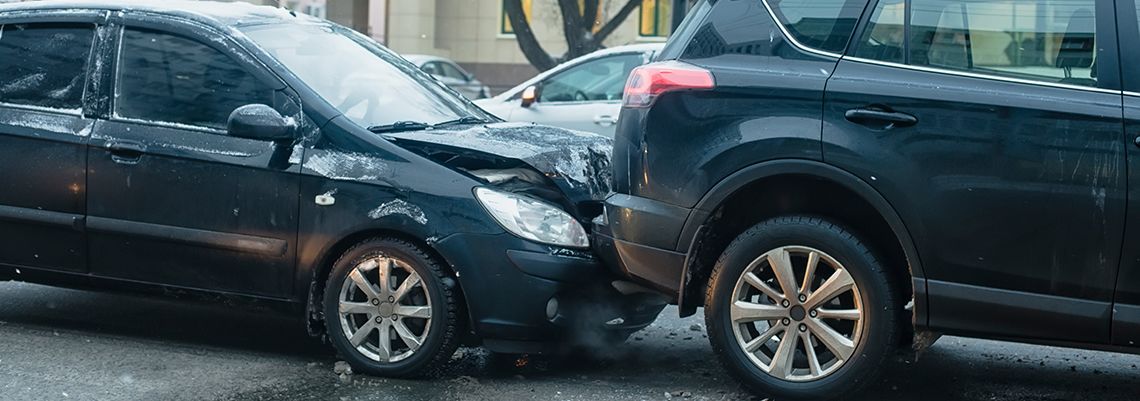
Longer stopping distances: Slippery pavement can double or triple braking distance, making rear-end collisions more common.
Poor road maintenance during storms: Plows and salt trucks work hard, but during active storms, they simply can’t keep up with every roadway.
Driver error: Speeding for conditions, tailgating, and sudden braking become especially dangerous in winter weather.
Because accidents are more likely in these conditions, Wisconsin law places responsibility on drivers to adjust their behavior accordingly.
How Winter Conditions Affect Liability in Wisconsin
Wisconsin is a comparative negligence state, meaning each party in an accident can share a percentage of fault. Even when weather is a factor, drivers must operate their vehicles with reasonable care. That means slowing down, increasing following distance, using headlights, and anticipating slippery spots.
In practice, this means:
A driver who slid on ice may still be found liable if they were speeding or following too closely.
A driver who rear-ends another vehicle during a snowstorm is usually presumed at fault.
If both drivers acted negligently — for example, one was speeding while the other made an unsafe lane change — fault may be split between them.
To recover compensation, an injured driver must be less than 51% at fault. If they’re 51% or more responsible, they cannot recover damages under Wisconsin law.
Common Winter Accident Injury Claims
Winter crashes often lead to personal injury claims involving:
Whiplash and other neck injuries
Back and spinal injuries
Broken bones
Traumatic brain injuries (TBIs)
Soft-tissue injuries
Emotional and psychological distress
These injuries can lead to lost wages, medical bills, rehabilitation costs, and long-term pain.
What To Do After a Winter Accident in Wisconsin
If you’re involved in a winter accident, taking the right steps can protect both your health and your legal rights:
Call 911 and request medical attention if needed.
Document the scene — weather, road conditions, skid marks, vehicle damage.
Exchange information with all involved drivers.
Avoid admitting fault, even casually.
Seek medical care, even if injuries seem minor.
Consult a personal injury attorney who understands Wisconsin accident law and winter-weather liability.
Final Thoughts
Wisconsin winters are unavoidable, but being informed can help reduce risks. When accidents do happen, personal injury law protects victims — especially when someone else’s negligence contributed to the crash. Understanding your rights, documenting the conditions, and seeking legal guidance can make all the difference in securing fair compensation and moving forward after a winter-related accident.
If you, or someone you know has been wrongfully injured, contact Buss Law, LLC today for a FREE consultation!
INJURED? “DON’T FUSS, CALL BUSS!”
CALL (414) 246-1000 TODAY!