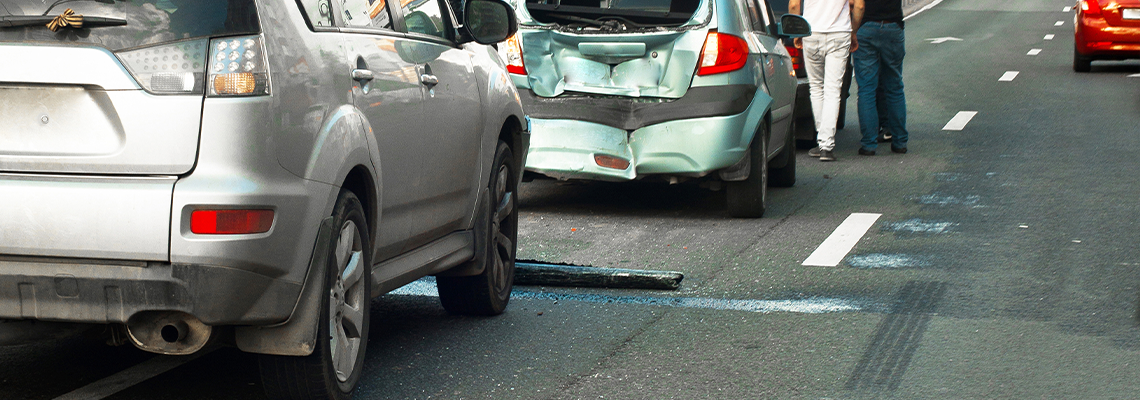
New Years Eve Accident Facts
New Year’s Eve is a time for celebration across Wisconsin—but it also comes with a sobering reality. Each year, this holiday consistently ranks among the most dangerous nights for drivers, with a noticeable spike in auto accidents, injuries, and fatalities. Understanding the trends behind these crashes can help drivers make safer choices when ringing in the new year.
One of the most striking facts is the strong link between New Year’s Eve and impaired driving. Alcohol remains the leading contributing factor in fatal crashes statewide. In Wisconsin, alcohol is involved in roughly one-third of all traffic deaths annually, highlighting just how significant the issue is. On New Year’s Eve specifically, that risk increases even more as celebrations, parties, and late-night events lead to higher rates of intoxicated drivers on the road.
Holiday-specific data reinforces this trend. During the recent holiday period between mid-December and New Year’s Day, Wisconsin recorded over 400 crashes involving impaired drivers, resulting in multiple fatalities and hundreds of injuries. While this timeframe includes more than just New Year’s Eve, the night itself is considered one of the peak danger periods within that stretch.
Timing also plays a major role in crash risk. The most dangerous hours typically fall between late evening on December 31 and the early morning hours of January 1. As parties wind down and people head home, roads become filled with a mix of impaired, fatigued, and distracted drivers. National data shows that a significant percentage of fatal crashes during this holiday involve alcohol-impaired drivers—often far higher than an average day.
Another important factor is enforcement. Law enforcement agencies across Wisconsin are well aware of the heightened risks and typically increase patrols during New Year’s Eve. Sobriety checkpoints, OWI enforcement campaigns, and public safety initiatives are all ramped up to deter dangerous behavior. While these efforts do help reduce crashes, they also reflect just how serious the risk level is compared to other nights of the year.
Interestingly, not all New Year’s Eve crashes involve alcohol. Winter weather conditions in Wisconsin can add another layer of danger. Snow, ice, and freezing temperatures often create slippery roads and reduced visibility. When combined with heavy nighttime traffic and impaired driving, these conditions can significantly increase the likelihood of accidents.
Demographics also play a role. Younger drivers—particularly those between ages 21 and 34—are more frequently involved in alcohol-related crashes. This aligns with the social nature of New Year’s Eve celebrations, where younger adults are more likely to attend parties or go out to bars.
Despite these risks, there is some positive news. Public awareness campaigns, rideshare services, and designated driver programs have helped reduce alcohol-related crashes over time. In fact, alcohol-related crash numbers in Wisconsin have declined significantly over the past few decades, thanks to stricter laws and education efforts.
Still, the takeaway is clear: New Year’s Eve remains a high-risk time to be on the road. The combination of celebration, alcohol, late-night driving, and winter conditions creates a perfect storm for accidents.
For drivers, the best defense is preparation. Planning a safe ride home, avoiding impaired driving, and staying alert behind the wheel can make all the difference. In Wisconsin, where holiday traditions run deep, making responsible choices ensures that the new year starts not with tragedy—but with a safe journey forward.
If you, or someone you know has been wrongfully injured, contact Buss Law, LLC today for a FREE consultation!
INJURED? “DON’T FUSS, CALL BUSS!”
CALL (414) 246-1000 TODAY!